
Off-Road Safety and Environmental Preparation in the UAE
Safety begins before the first obstacle: choosing the right activity, being honest about readiness and making sure everyone understands the plan. A useful checklist supports those decisions; it does not certify a trip as risk-free.
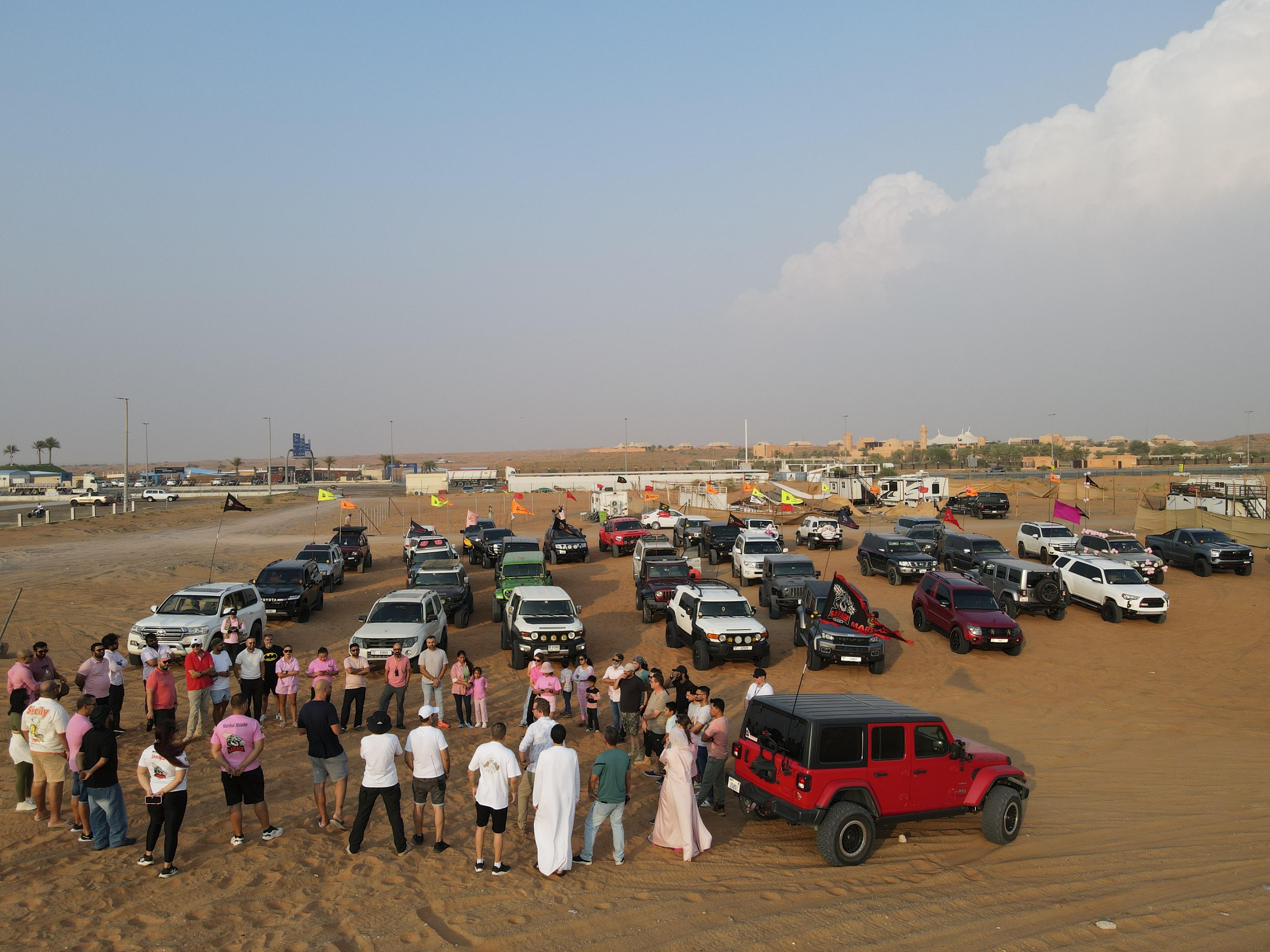
Choose an activity you can participate in responsibly
Read the trip level, requirements and organiser instructions. Be open about experience, vehicle condition and any practical concern affecting participation. Ask about suitability before departure. A responsible decision can be to choose a different activity or defer until the vehicle is ready.
Prepare for the people travelling
Plan personal supplies, suitable clothing and the needs of passengers for the actual duration. Make sure seating and restraints are suitable for the journey. Carry necessary personal items and tell the leader about a concern that could affect the plan. Seek qualified medical advice for personal health questions rather than relying on a club article.
Use weather information as a decision tool
Check official forecasts and organiser updates. Respect warnings and cancellations. Conditions that appear manageable at the meeting point may differ along the route. Avoid flooded wadis and follow official instructions; the trip objective should never become a reason to ignore a changed environment.
Keep a clear boundary around active work
During recovery or a mechanical incident, give the competent person directing the situation room to assess it. Keep spectators and filming outside the area they identify. Ask before helping and say when you do not understand the task. Suitable supervision matters more than appearing useful.
Leave shared places ready for others
Use permitted routes and agreed access, respect wildlife and other visitors, collect your waste and avoid damaging vegetation. Confirm any camp arrangements with the club. An open space is not automatically permission to drive, camp, light a fire or run an event there.
Finish with learning, not just a photograph
Check the vehicle and equipment before road travel, report damage or a concern to the organiser and use the appropriate feedback channel. Record what to repair or replace before the next trip. A strong community improves through specific observations rather than assuming that an incident-free day proves every decision was correct.
Primary references
Regulatory and technical details can change. Check the current source for your situation.
