
Tyre Pop-Outs: Recognition, Prevention and the Next Decision
A tyre pop-out is not a challenge to solve quickly for a photograph. The immediate goal is to stop making the situation worse and let a competent person assess the vehicle, wheel, tyre and surroundings.
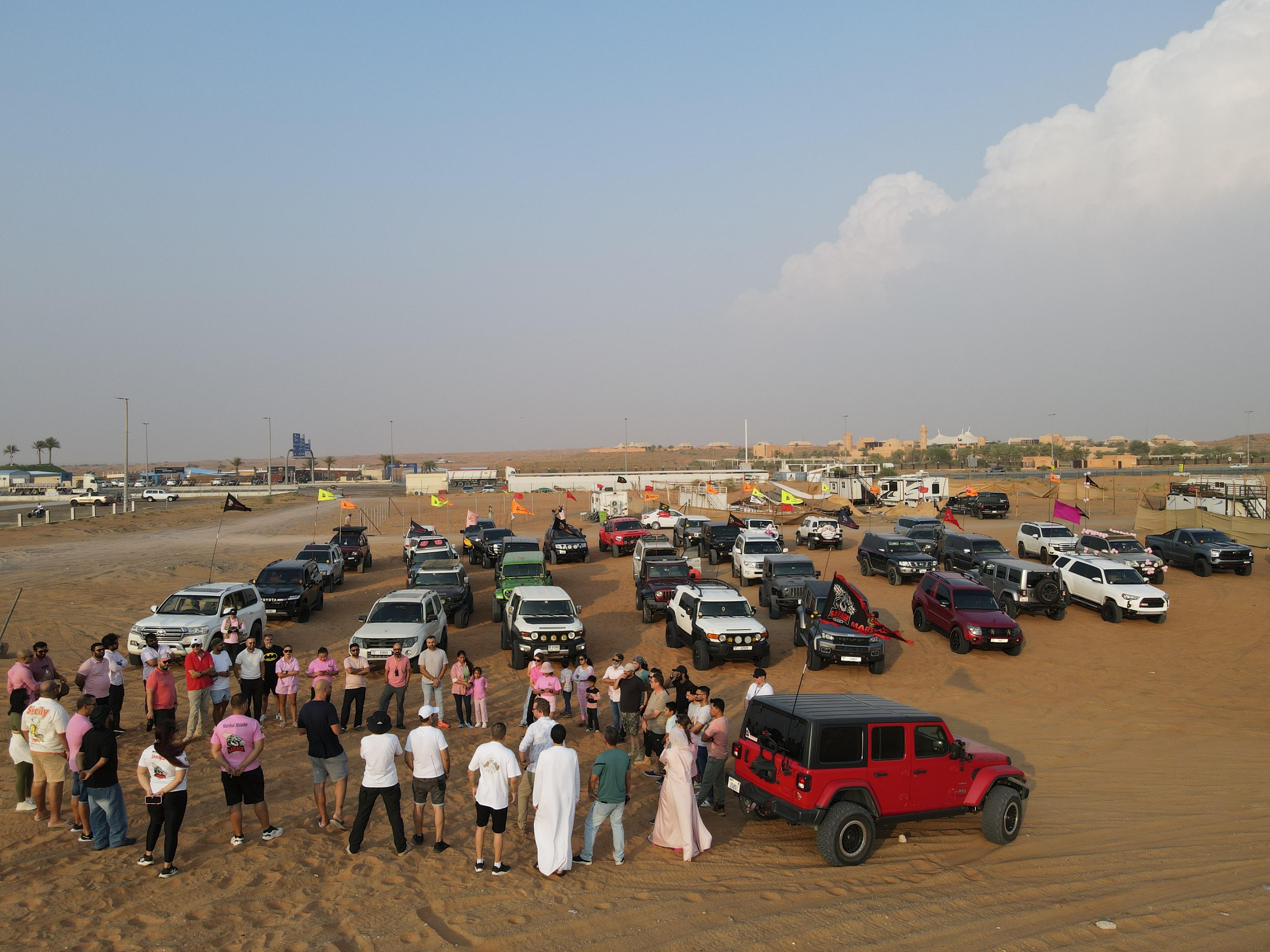
Recognise the problem without improvising
A bead unseating can cause rapid pressure loss and leave the tyre unable to hold air. Report an unexpected pressure loss or a visibly displaced tyre to the leader. Do not assume every flat tyre is a pop-out, or that reinflating it will make the assembly suitable to continue.
Stop and have the scene assessed
The location and vehicle position matter as much as the tyre. Avoid driving on the affected wheel or moving the vehicle without guidance from the person assessing the situation. Keep bystanders clear and secure passengers according to the leader’s instructions.
Treat tyre work as skilled work
Tyre mounting and bead seating involve stored energy and potential component failure. Michelin’s tyre safety guidance calls for trained professionals for mounting and demounting. This page does not teach a roadside bead-seating method. Never use fire, flammable sprays or an improvised explosion to seat a tyre.
Equipment condition changes the decision
A competent assessor needs to consider tyre, bead, rim and valve damage, contamination and the available equipment. A tyre holding air is not proof that it is undamaged. A suitable spare or professional assistance may be the appropriate outcome.
Reduce the chance of a repeat
Use vehicle- and tyre-appropriate settings, respect the operating limits and avoid abrupt inputs. Have recurring pressure loss or wheel problems inspected. Learn tyre preparation and incident awareness through suitable practical instruction before relying on them in a remote setting.
Primary references
Regulatory and technical details can change. Check the current source for your situation.
